Burger Embroidery Design Review
A First Look at Burger: The Visual Personality
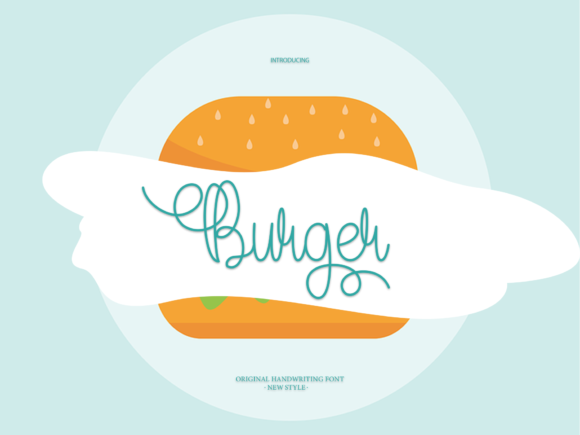
When I first opened the Burger machine embroidery design from Script Amp, it immediately caught my attention with its bold and playful layout. This design feels like a perfect blend of casual charm and artistic flair. It's not overly complex, but there's enough detail to make it stand out on fabric. The shape is simple yet recognizable, making it a versatile option for a variety of projects.
The theme of Burger screams fun and approachability. It's ideal for anything that needs a touch of humor or a whimsical twist. From a custom embroidered tote bag to a personalized patch for a themed event, this design has a mood that’s both friendly and eye-catching.
Real-Life Use: How Burger Performs in Projects
I decided to test Burger on a custom sweatshirt for a small business owner who wanted something unique for their boutique line. After stitching, the result was impressive. The design held up well against the fabric texture, and the stitch density was just right—not too heavy that it felt stiff, but enough to maintain clarity and definition.
This design works beautifully on custom apparel like t-shirts, sweatshirts, and even baby clothes. It also looks great on tote bags, where the contrast between the fabric and the thread really shines. For caps and hats, I found that the design needed a bit more stabilizer to prevent shifting, but overall, it handled curved surfaces reasonably well.
Burger can be used as an embroidered patch or as part of a larger applique design. I noticed that it pairs particularly well with light-colored fabrics, but with the right thread colors, it can also work on darker materials. It’s a solid choice for holiday gifts or nursery decor where a touch of playfulness is desired without being too over-the-top.
Where Burger Might Need Careful Consideration
While Burger is a strong performer in most scenarios, there are a few areas where it might require some extra attention. On small hoop sizes, the design can lose some of its visual impact if not scaled correctly. I recommend checking the stitch density and ensuring that all details remain clear when resizing.
For textured fabrics or thin fabric, using a proper stabilizer is essential. Without it, the design might not hold up well under frequent washing or stretching. Similarly, on stretchy fabric like knits, additional support will help maintain the integrity of the design.
If you're planning to use Burger on curved surfaces like caps or layered garments, testing it on scrap fabric first is a good idea. Also, for tiny lettering or dense stitch areas, it’s important to review the file carefully to ensure that no details are lost during the embroidery process.
Design Impact: What Burger Adds to Your Work
Using Burger in your projects can significantly enhance the visual appeal of your finished product. It adds a sense of personality and uniqueness that can elevate your handmade product from ordinary to memorable. For Etsy sellers or craft business owners, this design could become a go-to asset for creating personalized gifts or small shop merchandise.
The customer trust factor increases when your designs look professional and well-crafted. Burger contributes to that by offering a clean, recognizable image that doesn’t feel cluttered or overwhelming. Whether it's a custom apparel item or a printable mockup, the design helps maintain a consistent brand identity and improves buyer engagement.
For those looking to expand their digital product offerings, Burger is a great candidate for design assets that can be sold or used in commercial embroidery projects. Just be sure to check licensing terms before selling any finished items or digital products.
Embroidery Designer Notes: Practical Tips for Using Burger
Before jumping into a full project, always test the design on scrap fabric to see how it behaves with your chosen thread colors and fabric type. Pay close attention to thread color contrast—some combinations may not look as vibrant as expected.
Review the stitch density and adjust it if necessary to match your fabric’s thickness. Confirm the hoop size required for the design and ensure you have the right tools for handling the stabilizer. Inspect small details closely, especially if you plan to use the design on light and dark fabric backgrounds.
Use proper stabilizer to avoid puckering or distortion, especially on delicate or stretchy fabrics. Finally, whether you're using Burger for personal projects or commercial use, always confirm the licensing terms to stay within the legal boundaries of your work.
Overall, Burger is a solid addition to any designer’s collection. With thoughtful application, it can bring a fun and engaging element to your embroidery project, helping you create finished products that stand out in the market.